- Time:Oct 29 12:00 pm – 12:30 pm, 2026
- Event Organizer:Jill Jentes Banicki
- Event Category:Webinars | Show Similar
- Add Event:Add to my calendar
Wetlands play a critical role in reducing the nutrients that fuel harmful algal blooms, but not all wetland plants function the same way. Researchers Helen Michaels and Kevin McCluney from Bowling Green State University are examining 12 common Ohio wetland species to understand how plant traits influence nutrient uptake, nutrient storage, sediment trapping, and the soil processes that affect water quality. Using field studies and controlled mesocosm experiments, the team evaluated how different species perform across seasons and water depths. Their findings could help guide wetland restoration and management decisions by identifying plant species that maximize nutrient removal and improve the effectiveness of wetlands as a natural water quality solution.
Join this Freshwater Science webinar to learn how this Harmful Algal Bloom Research Initiative (HABRI) research is advancing our understanding of wetland function and informing strategies to reduce nutrient pollution in Ohio waters.
About the Speakers
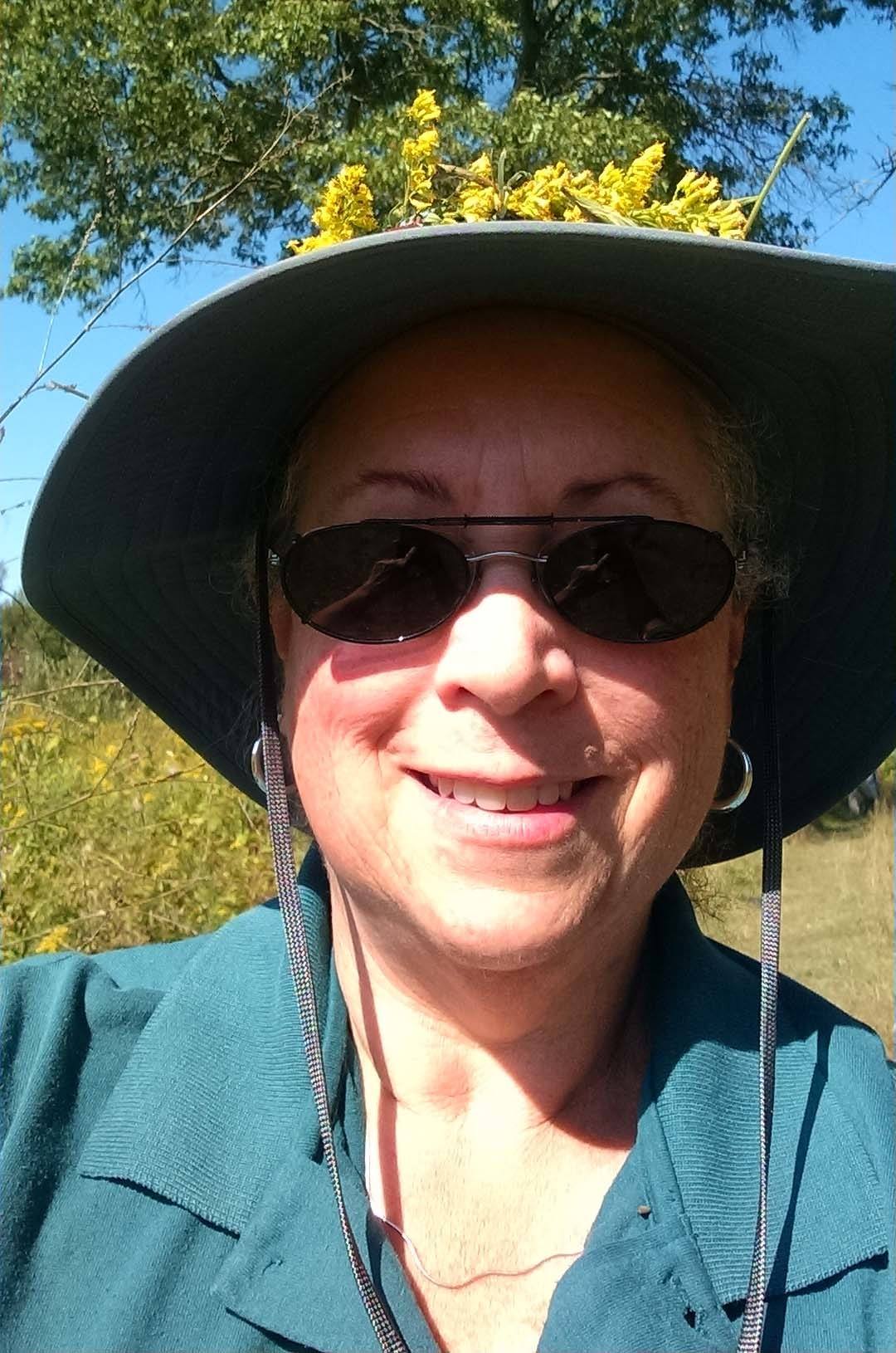
Dr. Helen J. Michaels, is an Associate Professor of Biological Sciences at Bowling Green State University. Her research focuses on conservation and restoration ecology, conservation genetics, plant-pollinator interactions, and molecular ecology. Through her teaching and research, she contributes to the understanding and preservation of plant biodiversity and ecological restoration.

Dr. Kevin E. McCluney is an Associate Professor of Biological Sciences at Bowling Green State University. His research focuses on the effects of climate change, urbanization, and water resources on aquatic and terrestrial ecosystems. Through the McCluney Lab, he investigates ecological processes that influence biodiversity, ecosystem health, and environmental sustainability.
